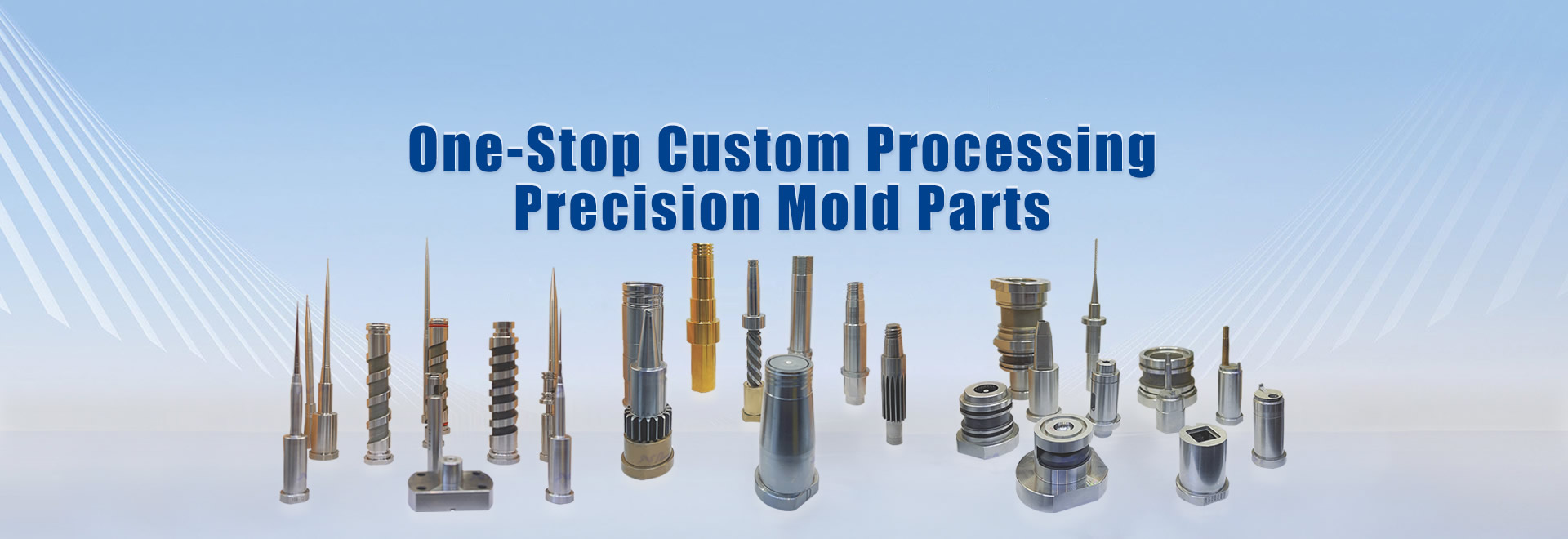
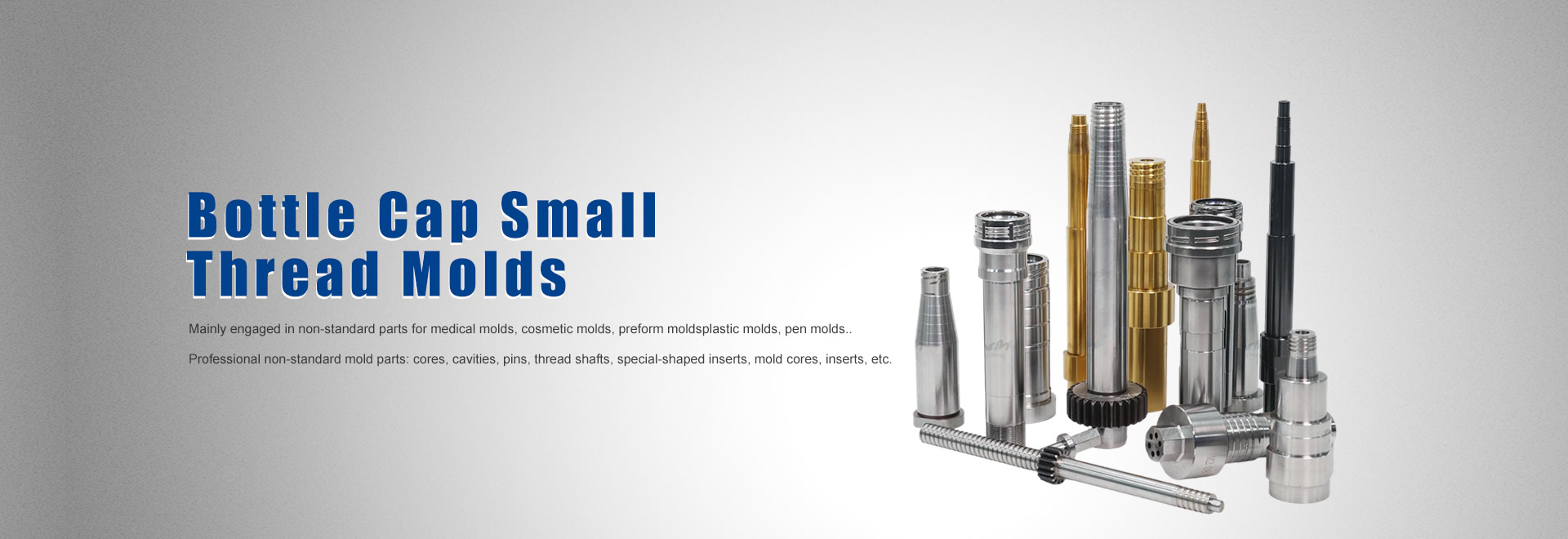
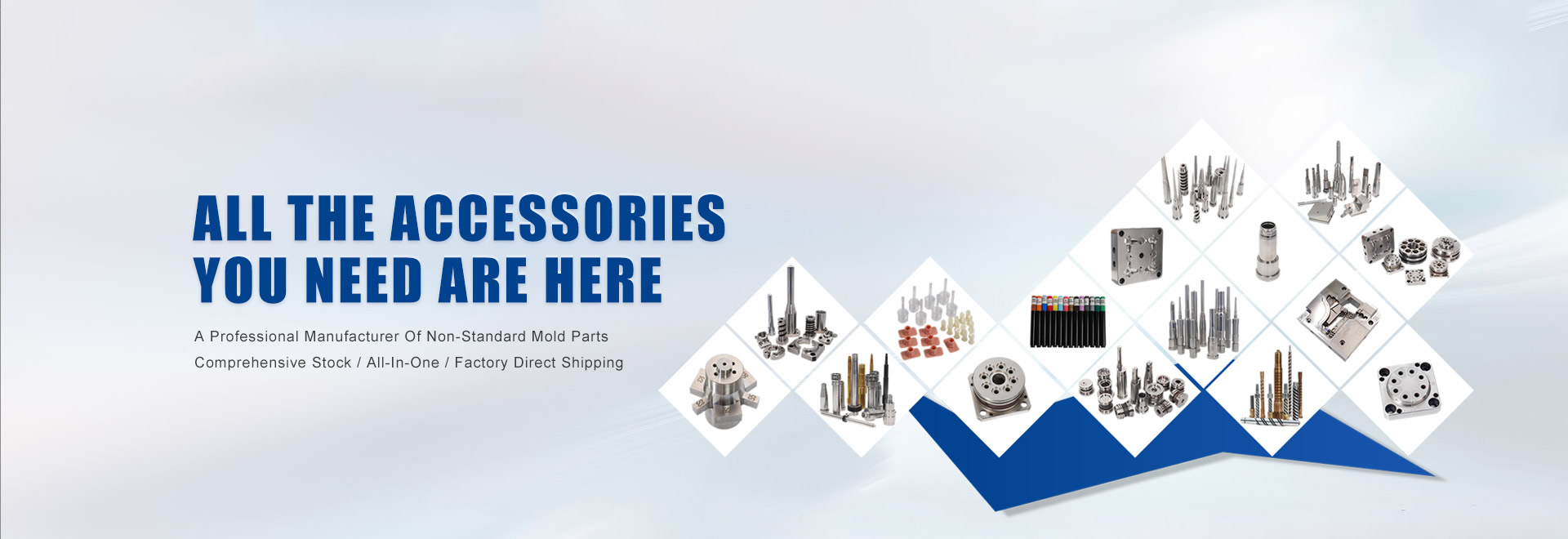
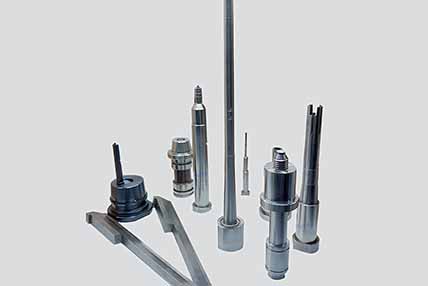
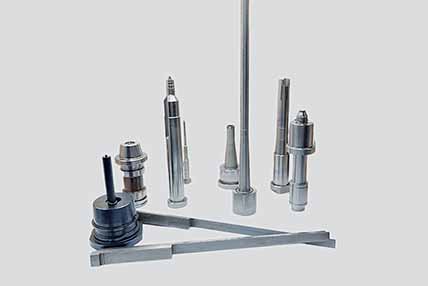
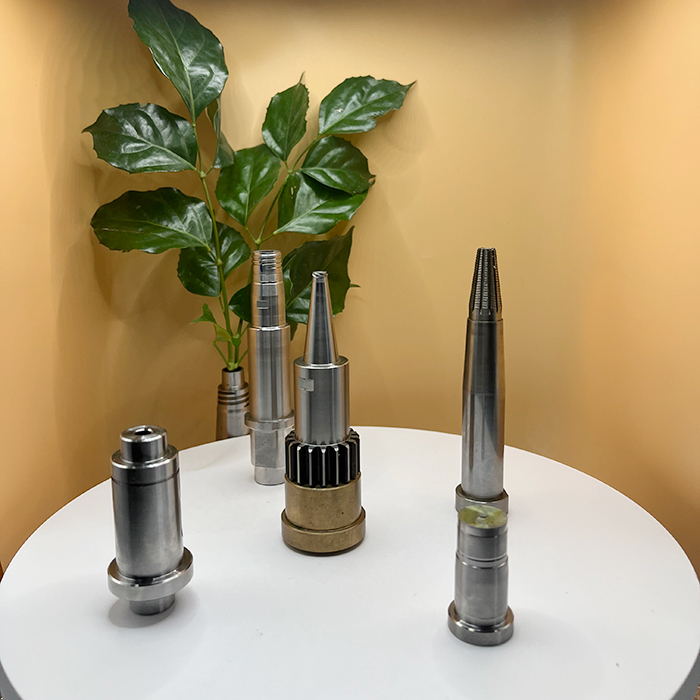
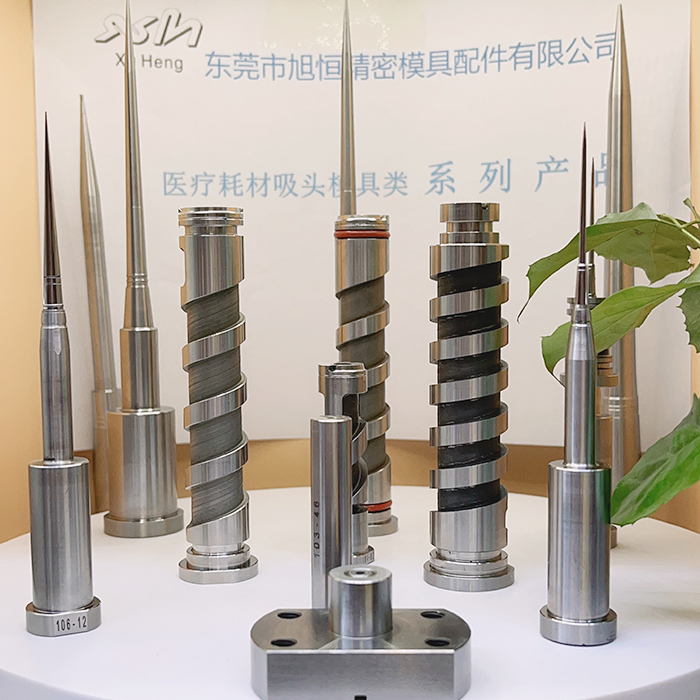
In the vast landscape of modern manufacturing, precision molds exist like cornerstones, widely used in multiple high-end fields such as electronics, automobiles, and aerospace. The processing quality of these molds directly determines the precision and performance of the end products.
Precision mold parts play a crucial role in the use and maintenance of molds, and their specific functions are reflected in the following aspects: 1 High-precision processing ensures the accuracy and stability of the mold: Precision mold parts undergo precise processing, with extremely high dimensional and shape accuracy, which can ensure that the mold maintains a high level of accuracy and stability during use. This is crucial for the production of high-quality and high-precision products.
In addition to requiring sufficient strength and toughness, the surface performance of high-precision mold parts is crucial to their working performance and service life during operation. The improvement of these performances is very limited and uneconomical to rely solely on the improvement and enhancement of the base material. However, through surface treatment technology, it is often possible to achieve twice the result with half the effort. This is precisely the reason why surface treatment technology has developed rapidly. Mold polishing technology is an important component of mold surface engineering and a significant post-treatment process in the mold manufacturing process.
First, effectively manage product data, process data, and drawing document management: Conducting effective management of mold product data, process data, and drawing document management can ensure the comprehensiveness of files and the consistency of drawing versions. So that the drawings can be effectively shared and effectively queried and utilized. A complete computer database for file management can be established to organize and centralize the design drawings accumulated by the design department, as well as the scattered and previously isolated information, for utilization. This can prevent the confusion of 2d and 3d design files, the confusion of original, modified and maintenance versions, and the inconsistency of 3d model and 2d drawing data.
The surface treatment technology of precision mold parts is a systematic engineering that changes the morphology, chemical composition, microstructure and stress state of the surface of precision mold parts through surface coating, surface modification or composite treatment techniques to obtain the required surface performance. Nitriding processes include gas nitriding, ion nitriding, liquid nitriding, etc. Within each nitriding method, there are several nitriding techniques that can meet the requirements of different steel grades and different workpieces. In terms of surface treatment methods, they can be further classified into: chemical methods, physical methods, physicochemical methods and mechanical methods. Although new treatment technologies aimed at improving the surface performance of precision mold parts are constantly emerging,