The development of laser rapid prototyping (RPM) technology for precision mold parts is rapid. China has reached the international level and is gradually achieving commercialization. The main commercialized rapid prototyping processes in the world include SLA(Stereolithography), LOM(Layer-by-Layer Manufacturing), SLS(Selective Laser Sintering), and 3D-P(Three-dimensional Printing). Tsinghua University introduced the SLA250(stereolithography or photosensitive resin laser curing) equipment and technology from the American 3D Company and conducted research and development. After several years of efforts and multiple improvements, it has refined and launched the "M-RPMS- Multi-functional Rapid Prototyping Manufacturing System".
The annual maintenance procedures required for each injection molding position of the mold depend on different mold cycle periods. The following are some maintenance tips for mold accessories, which can be used by every mold user to ensure the effective operation of mold components such as hot runners, heaters, guide pins and ejector pins, and forming inserts, and to prevent unexpected situations. 1. Check if there is any warning sign of rust or dampness at the vent holes. If you notice rust or dampness near the exhaust hole of the hot runner, it indicates that there is condensation inside or the water pipe may have burst. Dampness can cause a fatal short circuit to the heater.
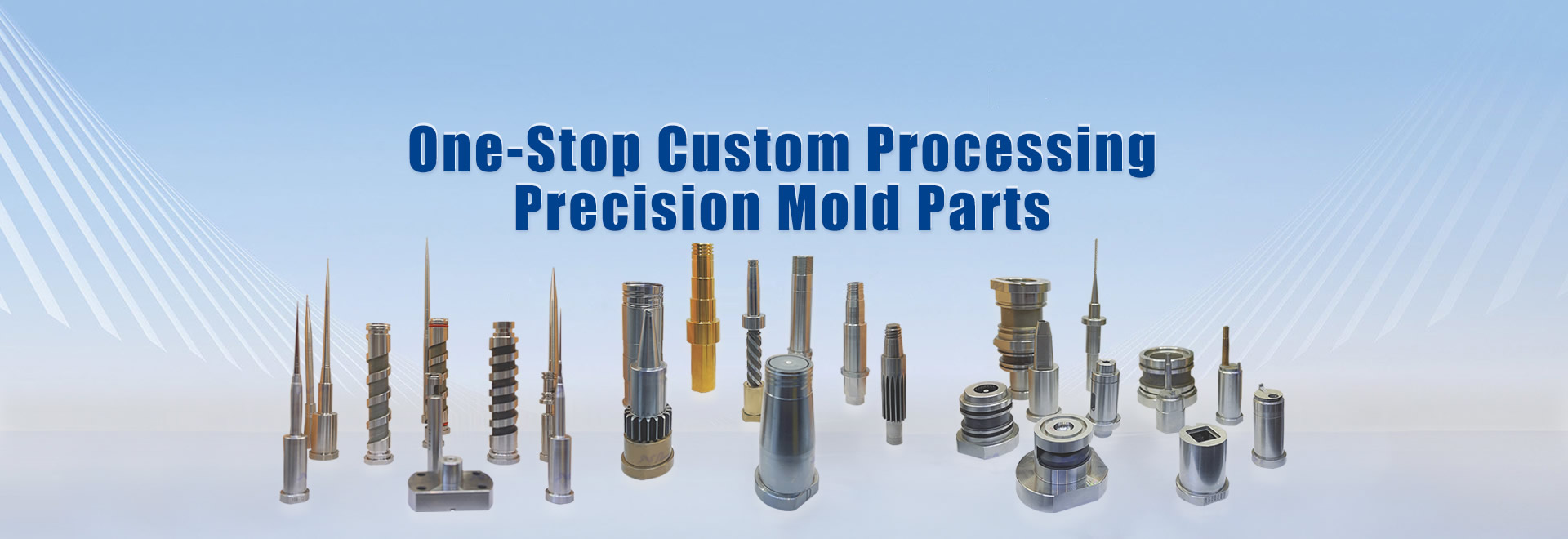
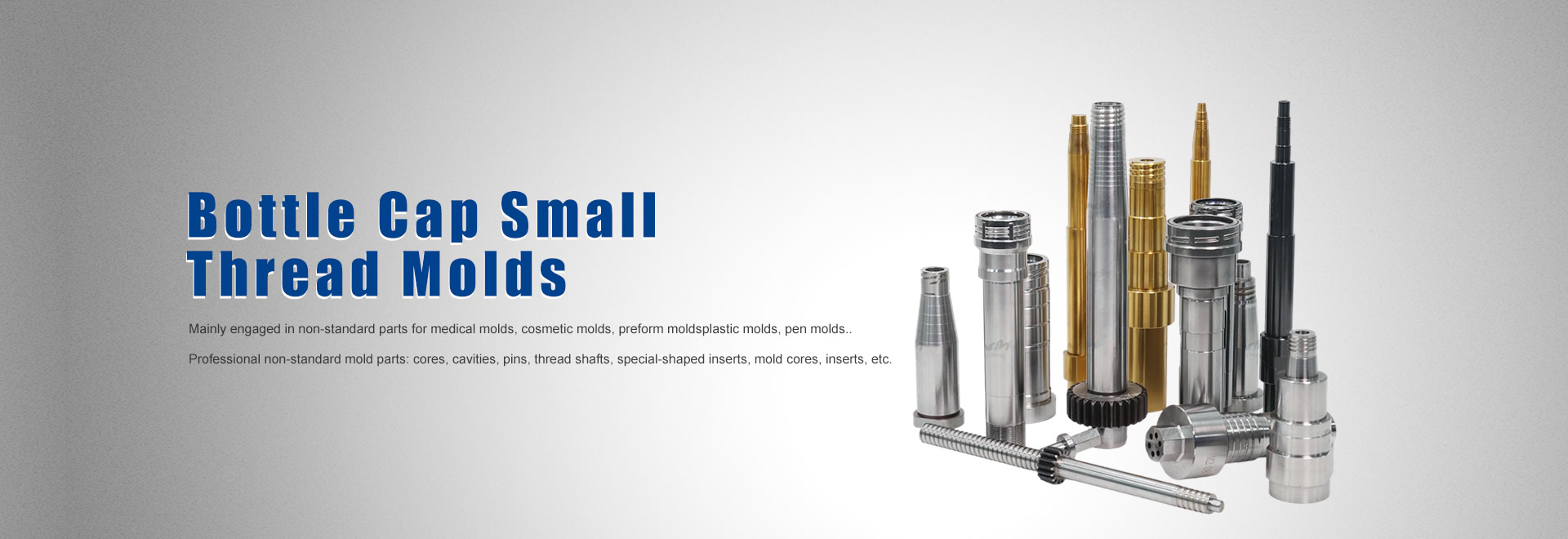
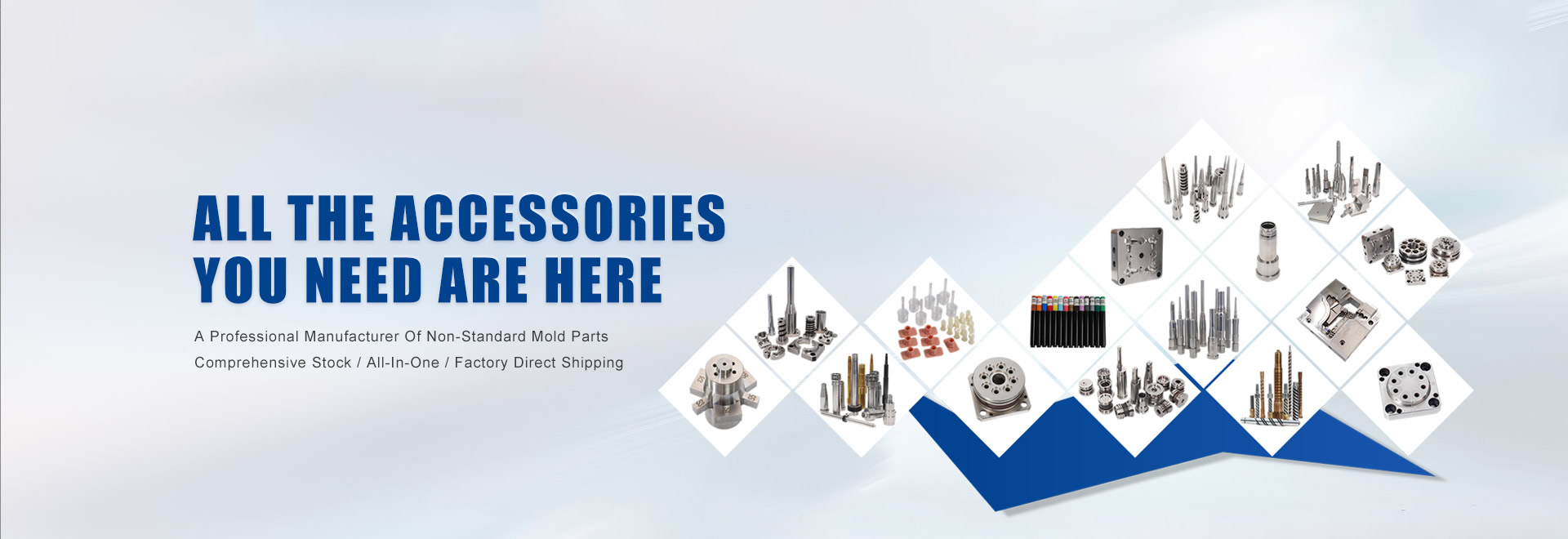
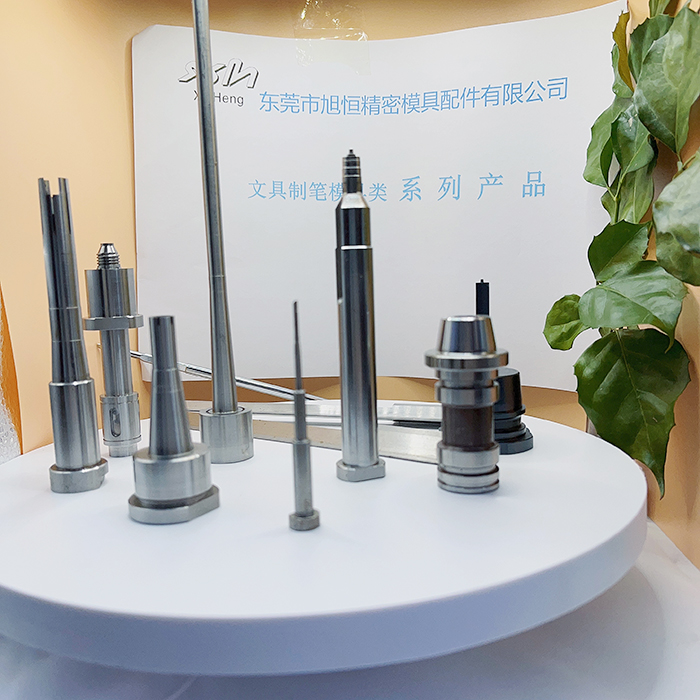
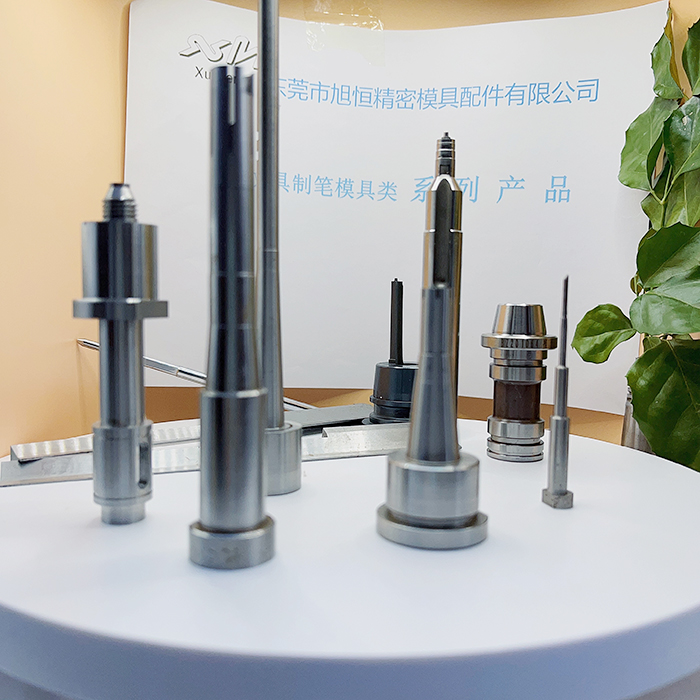
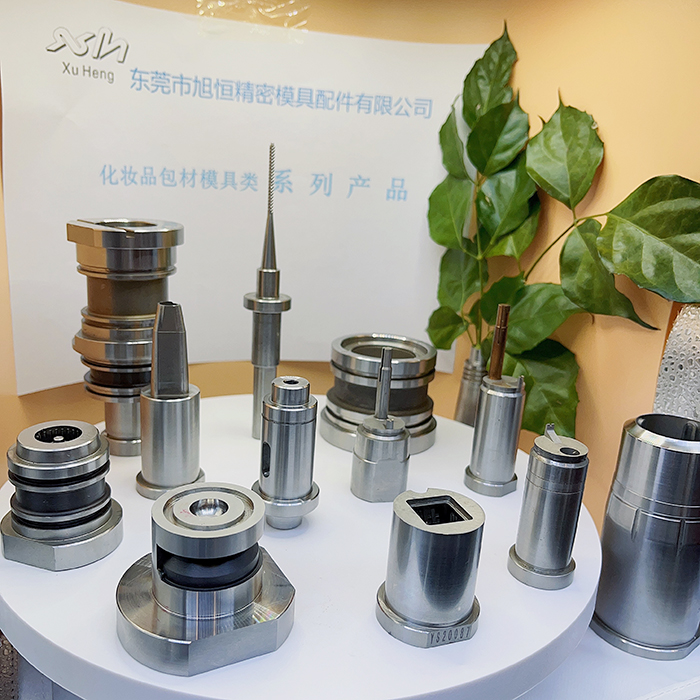
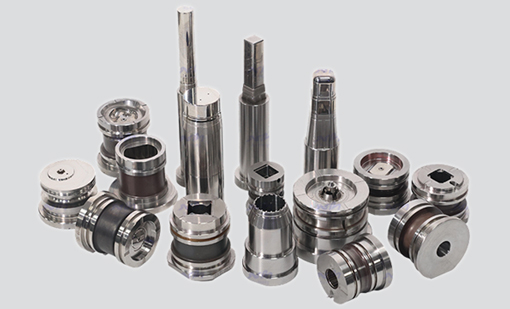
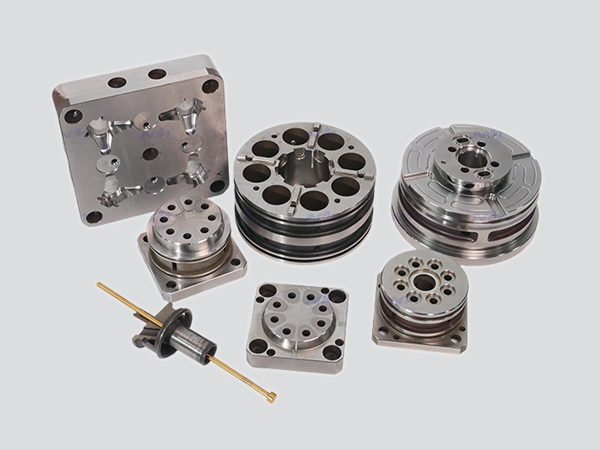
Precision mold accessories refer to the general term for metal parts specifically used on stamping dies, plastic molds or FA automation equipment in the mold industry. Mold accessories include: punches, punches, guide pins, guide sleeves, ejector pins, ejector cylinders, steel ball sleeves, oil-free guide sleeves, oil-free slide plates, guide pin assemblies, etc. Precision hardware specifically refers to the category of hardware processing with high precision requirements within the hardware industry. "Precision" generally refers to the tolerance requirement within 0.05mm, including precision plastic hardware, precision stamping hardware, precision turning hardware, etc., and is widely used in industries such as electronics, watches, and aviation.
1. Reasonable design and optimization of structural design: The design of mold accessory parts should be reasonable, and the best structural scheme should be selected as much as possible to ensure that the technical requirements of the parts and their structure are in line with the processability and feasibility of mold manufacturing. When designing, the selection of mold materials, the usability and safety of the mold structure, the machinability of mold parts and the convenience of mold maintenance should be taken into consideration. Precise dimensions and tolerances: Reasonably determine the dimensions and tolerances of mold accessory parts, and take technical measures to prevent problems such as shrinkage rate errors, injection deformation, demolding deformation, and flash in injection molded products.
There are various ways to enhance production efficiency in mold parts processing. Here are some key strategies: 1. Optimize the processing flow: Through reasonable process planning, reduce repetitive operations and unnecessary steps, thereby improving production efficiency. 2. Introduce advanced processing technologies: Adopting high-precision and high-efficiency processing technologies such as CNC machining, electrical discharge machining, and laser cutting can significantly enhance the accuracy and manufacturing efficiency of molds. 3. Use high-quality cutting tools and cutting fluids: Ensure cutting effect and processing quality, reduce the frequency of tool replacement and maintenance, and improve production efficiency.