
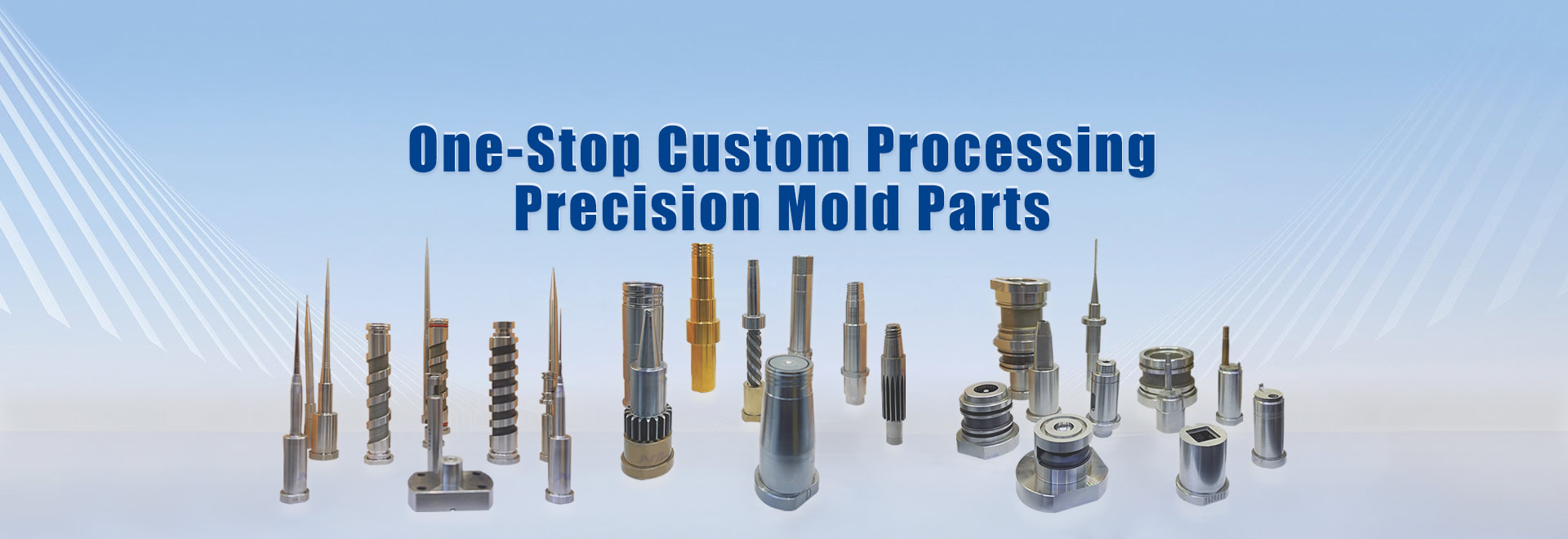
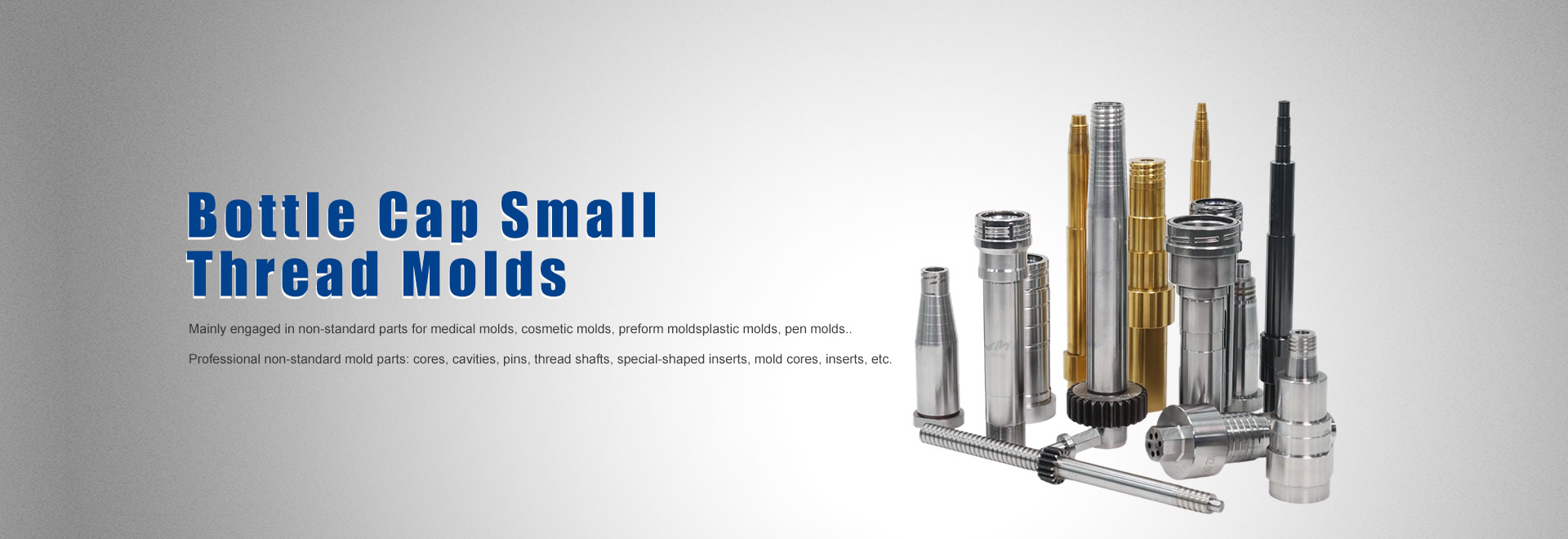
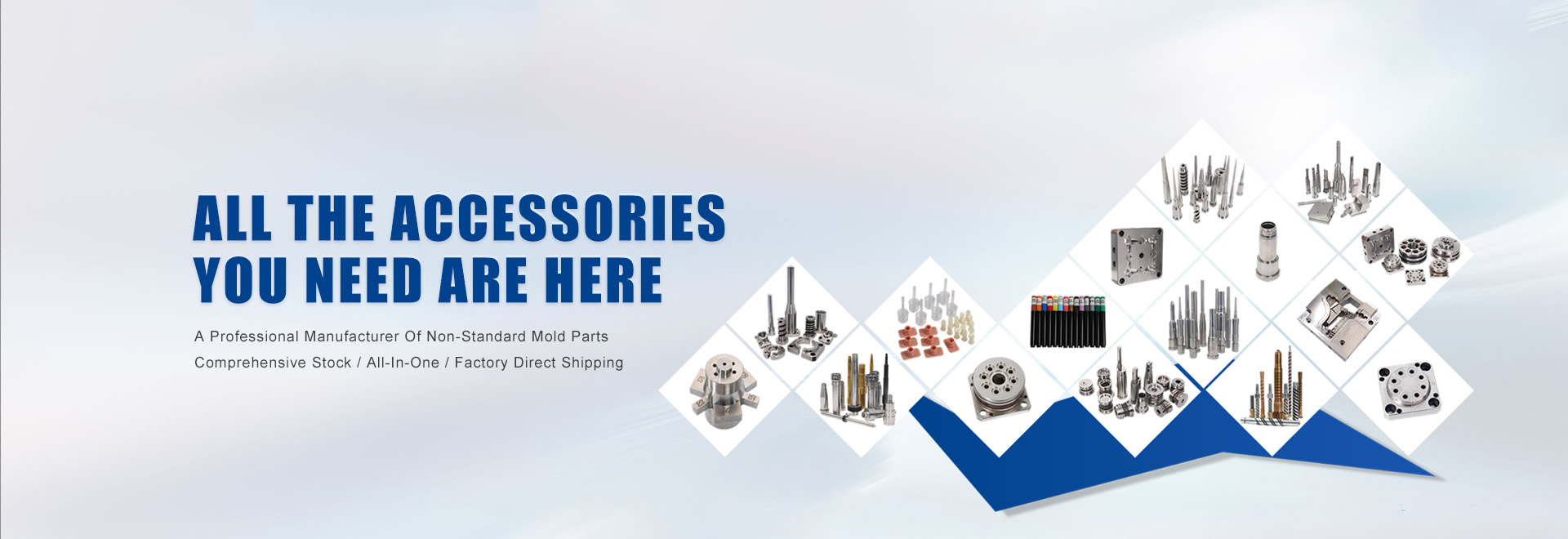
What should be noted when processing precision mold parts?
1. Choose equipment reasonably.
The processing of precision mold parts mainly involves cutting off most of the machining allowance and does not require high-precision processed parts. Therefore, rough machining should have more power and high-precision machine tools, and relatively high-precision machine tools should be maintained during the completion process. Precision machine tools that can perform rough and finish machining on different machine tools, fully leveraging the equipment's capabilities and extending its service life.
2. In the processing of precision mold parts, heat treatment processes are often arranged.
Its position arrangement is as follows: Heat treatment processes to improve the cutting performance of metals, such as annealing, normalizing, tempering, etc., are generally arranged in the processing of mechanical parts. Remove internal stress, such as after aging treatment, conditioning treatment, such as general layout, after rough machining, and after completion. To enhance the mechanical properties of parts, such as carburizing, quenching and tempering, they are generally arranged in the processing of mechanical parts.
3. To ensure the processing accuracy of precision mold parts, the processing of both coarse and fine mechanical parts should be good.
When processing precision parts, the cutting volume is large. The cutting force, clamping force, heat and the machined surface of mechanical parts have obvious work hardening phenomena, and the internal stress of the workpiece is large. If mechanical parts are processed continuously, the accuracy of the parts will be lost very quickly due to the redistribution of pressure. It is used for processing some high-precision mechanical parts. After rough machining and fine machining, low-temperature annealing or aging should be arranged to eliminate internal stress.

Online Service
National Sales Hotline 7*24 Hours
+86 188-2032-2971
+86 135-2851-7977
Follow Xuheng Precision