
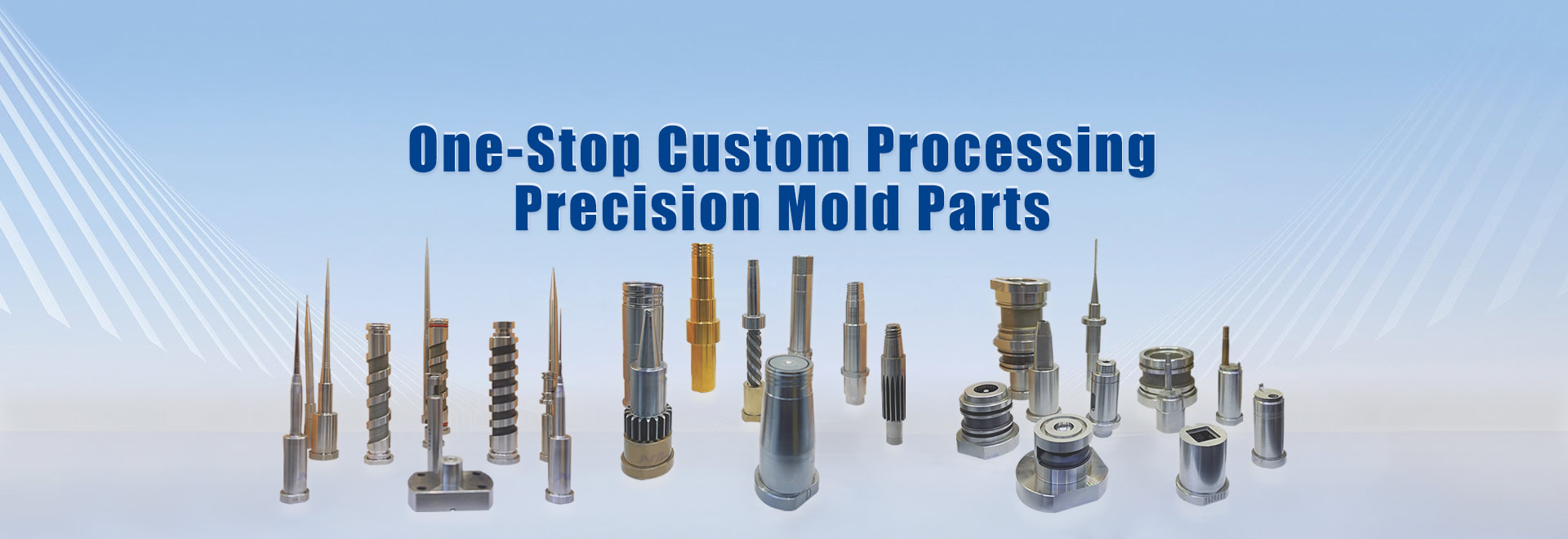
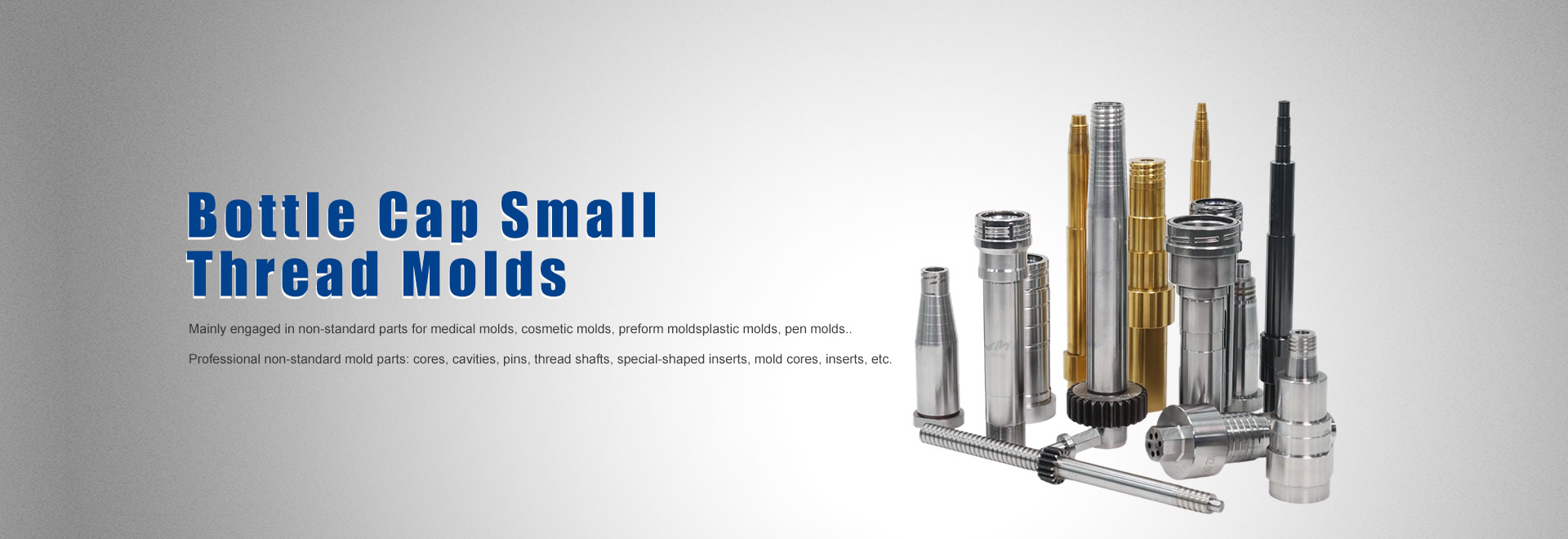
In addition to requiring sufficient strength and toughness, the surface performance of high-precision mold parts is crucial to their working performance and service life during operation. The improvement of these performances is very limited and uneconomical to rely solely on the improvement and enhancement of the base material. However, through surface treatment technology, it is often possible to achieve twice the result with half the effort. This is precisely the reason why surface treatment technology has developed rapidly. Mold polishing technology is an important component of mold surface engineering and a significant post-treatment process in the mold manufacturing process. Due to the fact that there are still certain problems in domestic polishing technology and materials, a large part of injection molds for point-and-shoot camera lenses, CDS, VCDS and tools with high transparency requirements still rely on imports.

It is worth noting that the surface polishing of molds is not only influenced by polishing equipment and process technology, but also by the mirror finish of the mold material. This point has not received sufficient attention, that is to say, the polishing itself is restricted by the mold material. Although new treatment technologies aimed at improving the surface performance of precision mold parts are constantly emerging, the ones mainly applied in the manufacturing of high-precision mold parts are nitriding, carburizing and hardened film deposition. Due to the fact that nitriding technology can form a surface with excellent performance, and the nitriding process has good coordination with the quenching process of high-precision mold parts steel, as well as the low nitriding temperature and no need for intense cooling after nitriding, the deformation of high-precision mold parts is extremely small. Therefore, the surface strengthening of high-precision mold parts is one of the earliest and most widely applied methods to adopt nitriding technology.

Online Service
National Sales Hotline 7*24 Hours
+86 188-2032-2971
+86 135-2851-7977
Follow Xuheng Precision